







First Article
At The Plastek Group, we employ a first article inspection process to ensure that the setup and initial production phases deliver parts that meet your exact specifications. Before committing to full-scale production, we validate dimensional accuracy, test functional performance, and confirm process stability through systematic inspections. This verification step — called first article inspection or FAI — identifies quality issues during initial runs, preventing problems from scaling across full production.



What Is a First Article Inspection Process?
FAI examines the first parts produced to confirm they meet design requirements before beginning a production run. We review all project documents, drawings, purchase orders, and engineering specs to confirm every detail has been validated and understood. We then examine sizes, shape, feature locations, and other dimensional characteristics, followed by targeted testing to verify functional performance.
The goal is to confirm that the manufacturing process can consistently produce precise and repeatable results that comply with all specifications.
Our first article department maintains open communication throughout the entire process. You’ll work directly with a dedicated customer service representative and project manager, collaborating closely with our research and development, tooling, engineering, and design teams. This coordination allows you to stay informed at each stage of production.
THE PLASTEK GROUP
FAI Inspection Equipment
Precision measurement depends on using the right equipment for each inspection phase. The Plastek Group uses specialized metrology and testing systems that capture accurate data across dimensional, visual, and functional parameters to verify dimensional accuracy and functional performance. Our equipment lineup includes:
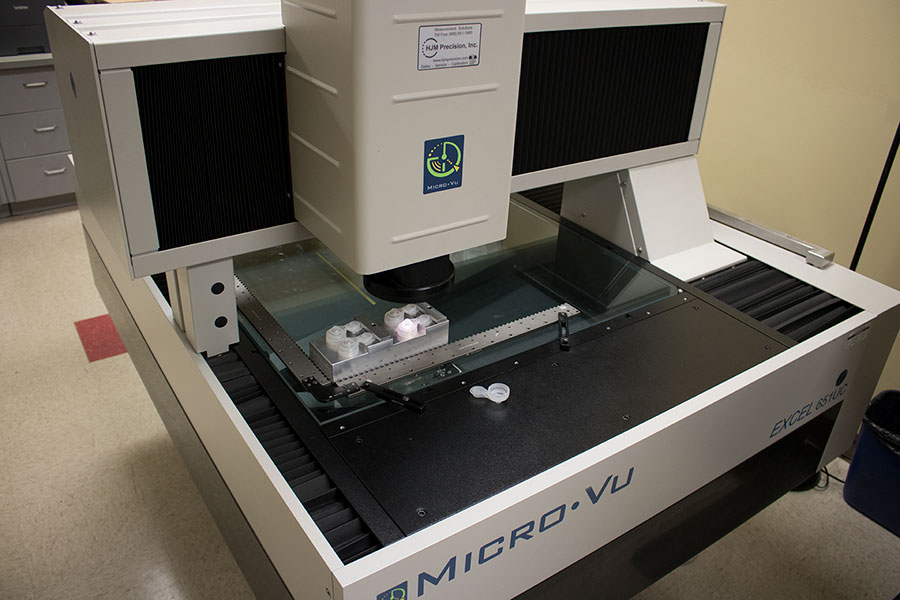
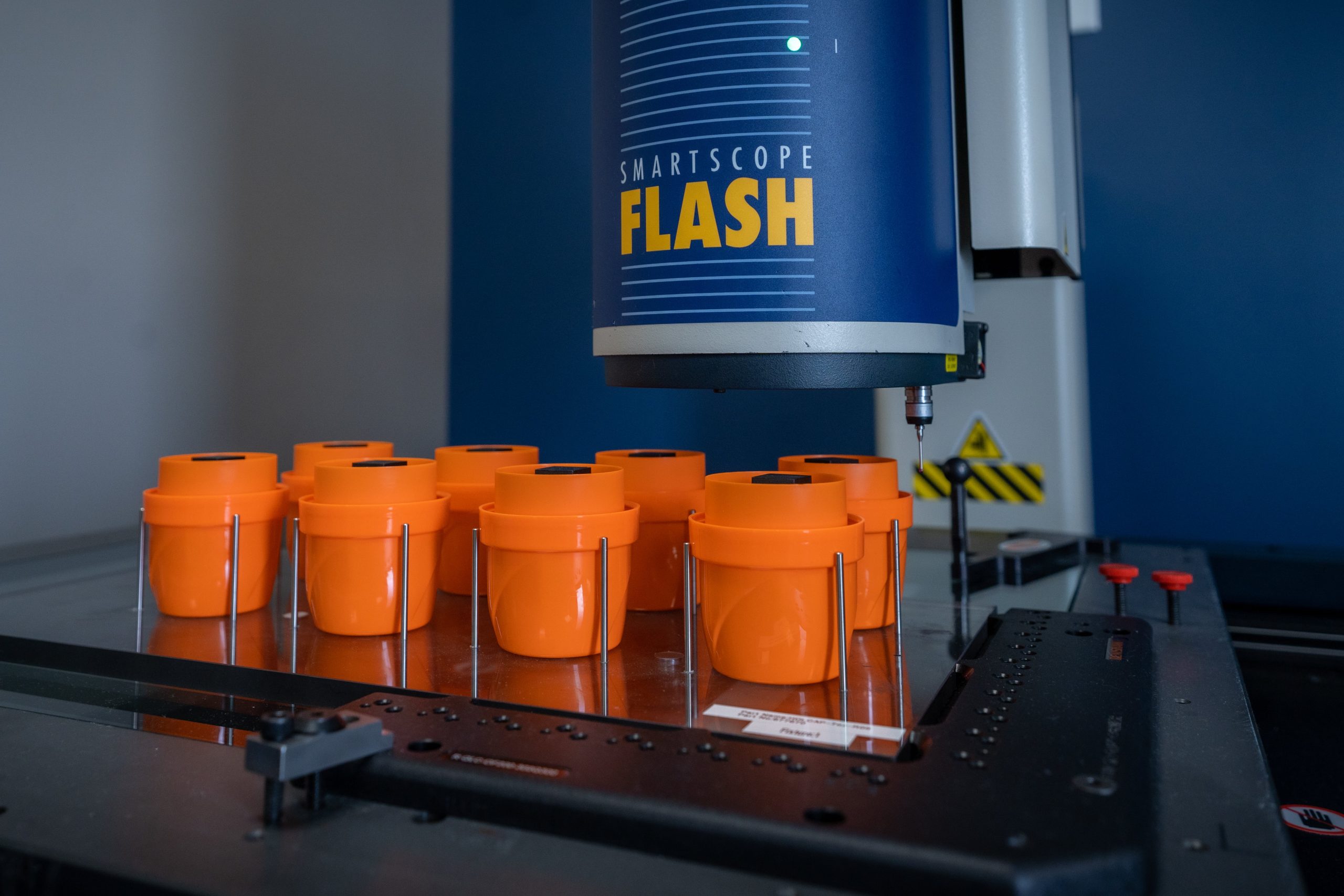
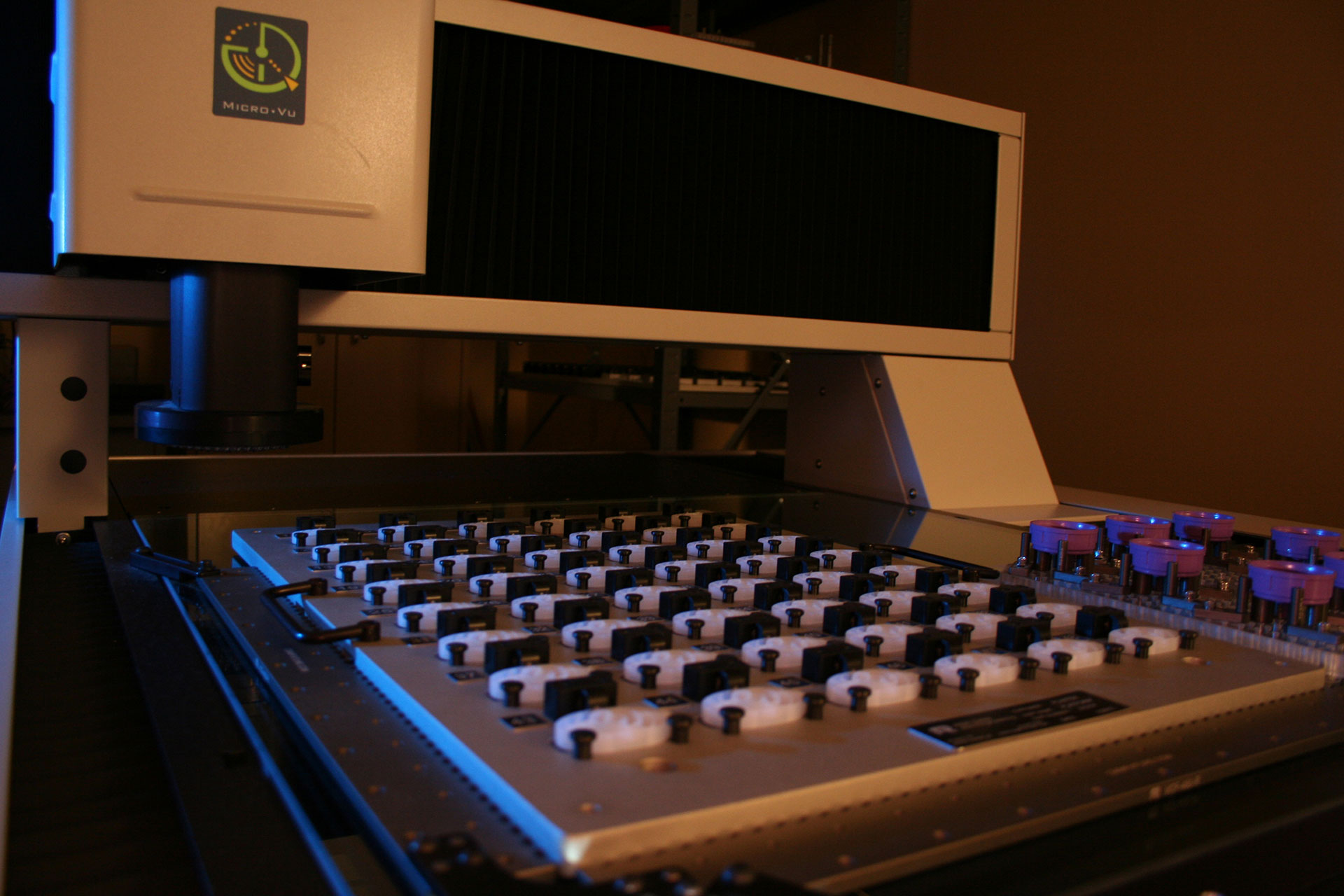
- Micro-Vu vision system: This non-contact measurement system captures detailed dimensional data without physically touching the part, preventing distortion and allowing for the inspection of delicate or complex features that contact-based methods might damage.
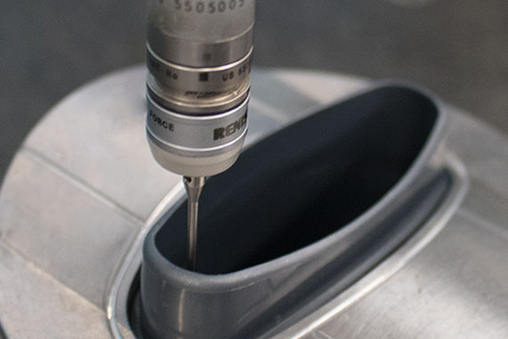
- Mistral Brown and Sharpe CMMs: These coordinate measuring machines (CMMs) perform complex three-dimensional analysis by measuring multiple points across a part’s surface, ensuring that every dimension matches the design specifications.
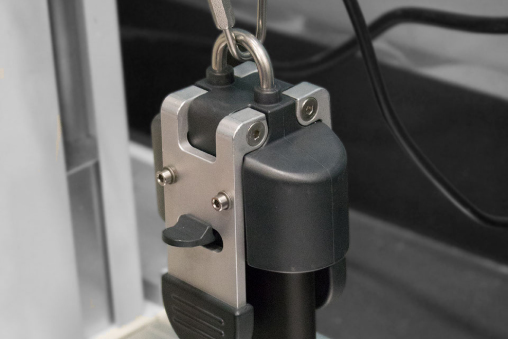
- Chatillon equipment: We utilize Chatillon testing systems to measure functional forces, including torque, tensile strength, and compression. This equipment provides objective data on how parts perform under stress.





Frequently Asked Questions
During the first piece inspection, we keep the lines of communication open from start to finish. Plastek extends these lines to other areas of the company and provides a dedicated customer service representative and project manager, as well as access to the R&D team, tooling and engineering department, designers, and other critical personnel.
The Plastek Group uses our First Article Process when developing prototypes or samples, whenever there’s an alteration to an existing design, when there is a change in manufacturing techniques, when there is an update in inspection methods, or if there is a lapse in the production period.
Chatillon, a Micro Vu Vision System, and a Mistral Brown and Sharpe CMM are utilized during The First Article Process to ensure reliable fit, shape, and function results, for customer satisfactory accepted plastic parts.