






Quality Food & Beverage Packaging Manufacturer
Packaging innovation, especially in this decade, is not more present in any other industry compared to food & beverage. There are areas of concern and demand and at times they collide. Sustainability, recycling, safety, convenience, and innovation are making food and beverage companies look at changes and what’s to come.
Let’s take a look at the industry, its packaging and what is exciting:
Request a QuotePlastic Food and Beverage Packaging
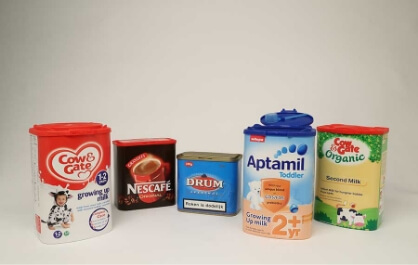
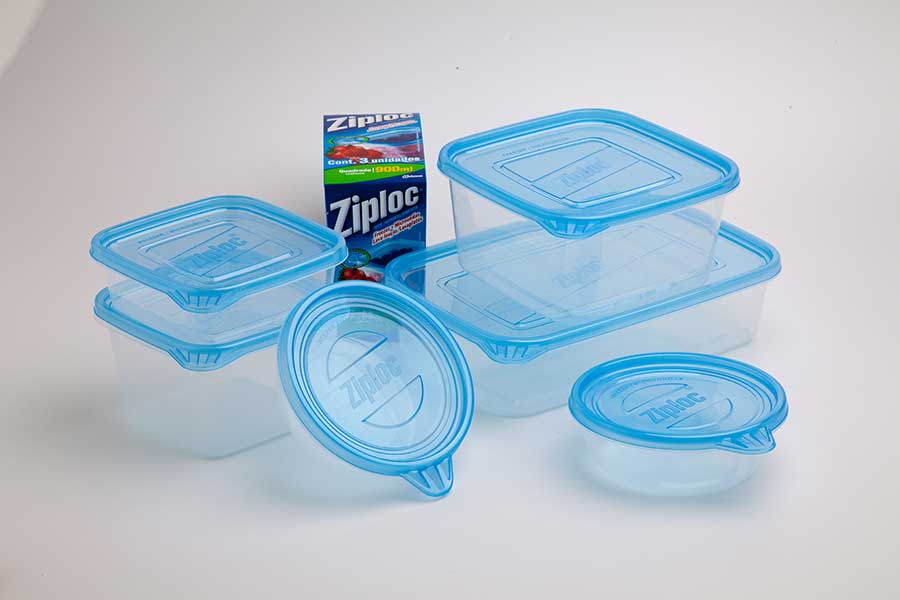
Food and beverage packaging can vary widely based on the item. While beverages will typically come in some type of bottle, food items can come in containers, films, bags and trays.
Food and beverage packaging has emerging markets and some legacy categories that seem like they will never change. We’d like to break it down to:
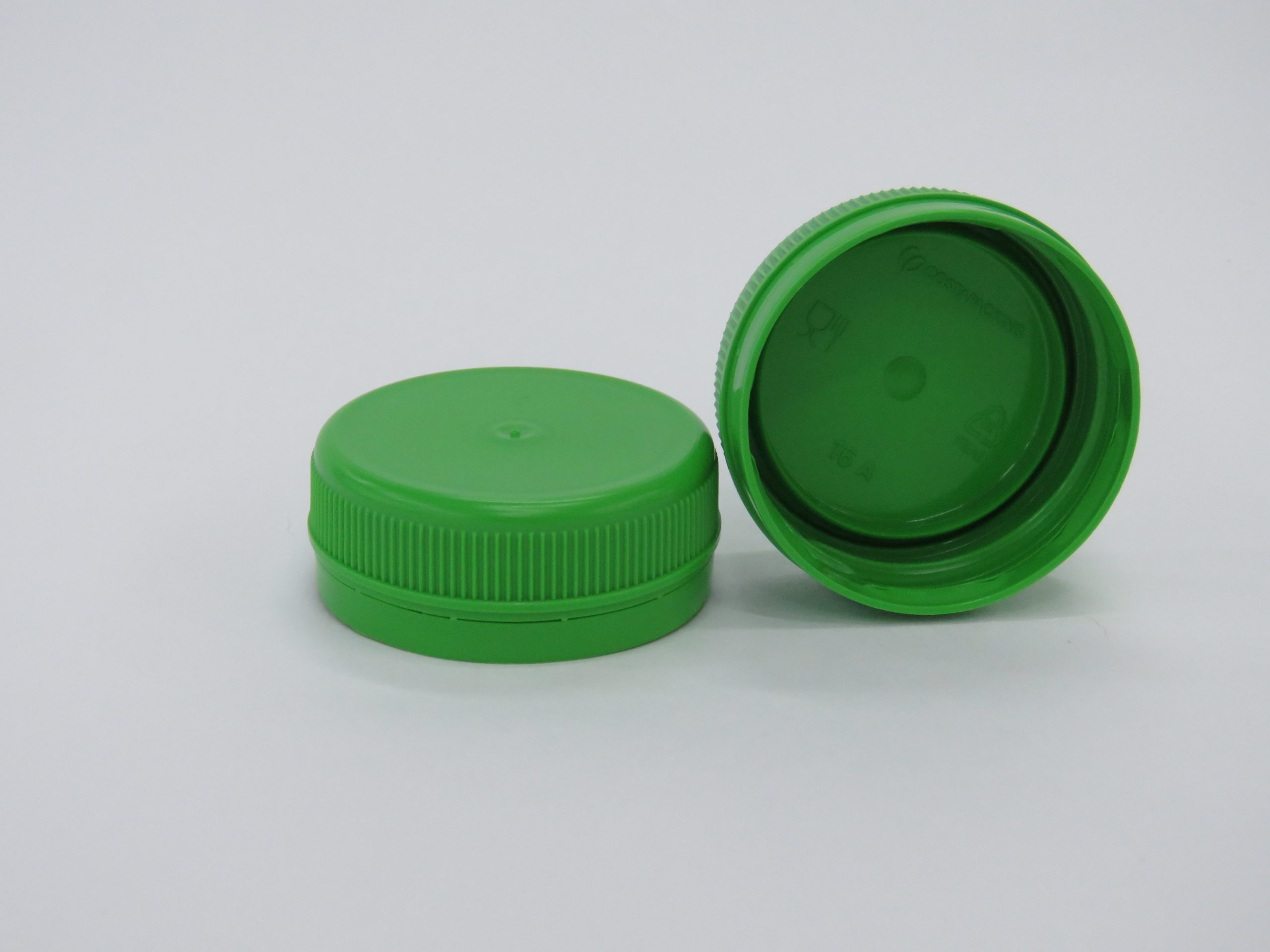
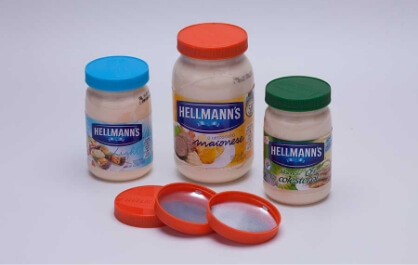
- Caps & Closures: Threaded screw caps, flip tops, pumps, ones with or without a liner, and more.
- Containers: Bottles, jars, tubes, pails, and more
- Custom Sealed Packages: Used for perishable items, pressure sealed used for dry goods and refrigerated goods.
- New Designs: Innovatively collaborating on a new design to impact the product, market, or financial impact.
- Updates on Current Designs: Updating and upgrading a current option that works – lightweighting, changing or removing color, and more.
Materials Used: Some of the primary materials used –
- Low-Density Polyethylene (LDPE): As a lightweight plastic, LDPE is often used as temporary storage for fresh foods, like produce.
- High-Density Polyethylene (HDPE): HDPE has thicker walls than LDPE, making it more durable and impact resistant. Long-term storage packaging will often use this plastic.
- Polypropylene (PP): This plastic type will not warp when heated, making it excellent for microwavable food products.






Choose The Plastek Group for Food & Beverage Packaging Solutions
The Plastek Group has been in the industry since 1956 and has become a world-class plastic packaging manufacturer. Our team specializes in research, design and development for turnkey packaging solutions, and our innovative approach has earned us acclaim from leading companies worldwide.
We are a family-owned business that takes pride in our work. Count on us to deliver high-quality and sustainable products that represent your brand and goals.
Request a Quote

Frequently Asked Questions
Plastek prioritizes recyclable plastic food packaging, utilizing materials like Polyethylene Terephthalate (PET #1), High-Density Polyethylene (HDPE #2), and Polypropylene (PP #5) that are widely accepted in recycling programs; we are also exploring options for Low-Density Polyethylene (LDPE #4) and Polystyrene (PS #6). Our innovative designs support light-weighting and thin-walling to further reduce environmental impact, and we utilize post-consumer resin (PCR) material whenever possible.
We specialize in custom-designed caps and closures, ensuring compatibility with a wide variety of food container types, materials, and sizes, while also considering the demands of packaging your product for retail; our engineering team works to develop custom, tailored solutions to each client’s specific packaging needs, whether it’s standard jars, unique containers, or specific neck finishes, ensuring shelf appeal and functionality. Contact us to discuss your custom requirements!
When used appropriately, Plastek’s plastic food packaging material is generally considered safe, as we utilize food-grade plastics like PET, HDPE, LDPE, and PP that are rigorously tested and regulated by the FDA to prevent harmful chemicals from leaching into food; to minimize potential risks, avoid heating food in plastic containers and follow the manufacturer’s instructions for use and storage. We are committed to using safe and compliant materials in all our packaging solutions.
Food & Beverage Packaging Insights
July 20, 2026 Latest Innovations in Food and Beverage Packaging
The food and beverage sector is navigating several packaging challenges. Consumer expectations around sustainability and convenience
February 20, 2025 Food Packaging Material Guide: Which Is Best for Your Product?
The packaging you choose for your food and beverage products largely affects how long these items stay fresh and whether the contents
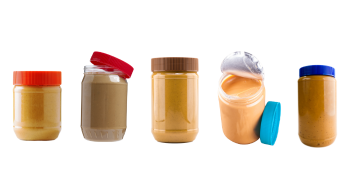
December 20, 2023 Peanut Butter – Evolution in Packaging
Per Grandview Research “The peanut butter market is a rapidly growing industry, driven by increasing consumer demand for healthy
Request a Quote Today
The Plastek Group is more than a food and beverage packaging manufacturer. Our team is a group of researchers, designers and developers who create innovative solutions for your packaging needs. With our expertise and commitment to quality, we can help you find the right packaging for your food and beverage products.