


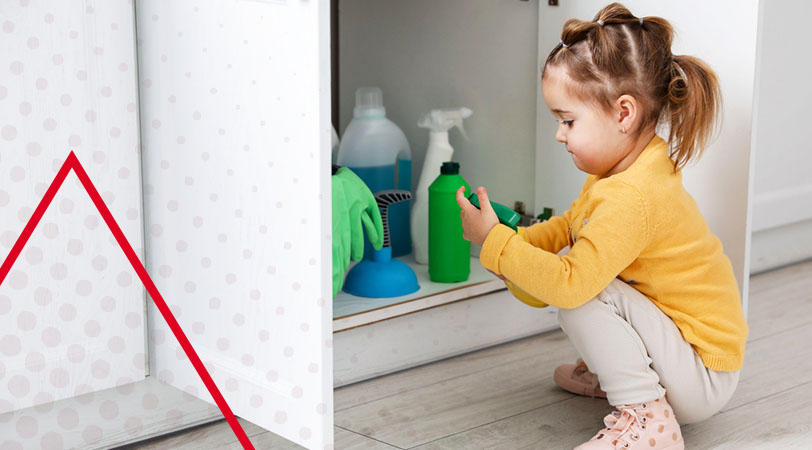
Annually, over 1 million adults call U.S. poison control centers about children exposed to harmful substances. That number would be far higher without child-resistant packaging.
As households increasingly fill with potentially dangerous products, from prescription medications to cleaning supplies, knowing how to protect little ones is paramount.
This guide covers everything you need to know about what qualifies as child-resistant packaging, why it’s necessary, and which industries depend on these lifesaving safety measures.
What Is Child-Resistant Packaging?
Some specialized package designs make it challenging for children under 5 to open or obtain harmful amounts of potentially dangerous substances, while remaining accessible to adults. While no package can guarantee complete protection, specific features dramatically reduce the risk of accidental ingestion or exposure. The goal is to delay access long enough for an adult to intervene or for the child to lose interest and move on to something else.
Child-resistant packaging must also be readily accessible to adults, particularly older people. When packaging is too difficult to open, adults often leave caps unsecured or transfer products into more accessible containers, completely defeating the safety purpose. To verify this critical balance, all child-resistant packaging must undergo rigorous testing.
What Makes Packaging Child-Resistant?
Here are common and effective child-resistant packaging examples.
- Push-and-turn closures: These are the most recognizable type, requiring users to push down on the cap while simultaneously turning it. This dual-action mechanism challenges young children’s motor skills and hand strength, while remaining manageable for most adults. You’ll find it on most prescription medication bottles.
- Squeeze-and-turn closures: Users must apply lateral pressure to the sides of the cap before it will rotate open. This mechanism requires finger control and coordination that young children haven’t developed yet.
- Blister packs: These seal individual doses behind foil or plastic backing that people must peel or push through to access. Even if a child manages to open one compartment, they can’t quickly access multiple units.
- Locking flip-top closures: Feature a hinged lid with a locking tab that must release before the cap can open. The sequential action requirement of unlocking, then lifting, makes them particularly effective for liquid products.
- Snap-secure containers: Complex locking mechanisms that require specific finger movements or pressure are challenging for small hands but intuitive for adults.
- Child-resistant pouches: Representing the newest innovation in flexible packaging, featuring tear-resistant materials and complex opening mechanisms that require multiple steps to access the contents.
Child-Resistant Packaging Regulations
The regulatory landscape explains why child-resistant packaging has become so prevalent and effective. Signed into law in 1970 following tragic incidents of child poisoning, the Poison Prevention Packaging Act remains the foundational legislation governing child-resistant packaging in the United States. The act requires companies to sell household substances, including oral prescription drugs, over-the-counter medications, and certain household chemicals, in special packaging.
The U.S. Consumer Product Safety Commission administers and enforces the PPPA by setting performance specifications and conducting compliance testing. ASTM International develops the voluntary technical standards, such as ASTM D3475, that manufacturers use to design and test child-resistant packaging.
What Industries Use Child-Resistant Packaging?
Any product that could harm or endanger a child needs packaging designed with safety in mind. These leading industries rely on child‑resistant solutions to prevent accidental access and meet regulatory standards.
Pharmaceuticals
The pharmaceutical industry was the original driver behind child-resistant packaging requirements and remains the largest market segment. Every prescription medication container you’ve encountered likely features child-resistant closures, from push-and-turn caps to specialized designs for liquid medications.
The industry continues to innovate, developing new solutions for everything from traditional containers to modern blister packs and even technology that can track medication adherence while maintaining child resistance.
Household Products and Chemicals
Cleaning products are a critical application for child-resistant packaging. Household cleaners, liquid clog dissolvers, and especially laundry detergent pods require robust child-resistant solutions. The bright colors and appealing appearance of many cleaning products make them particularly attractive to young children.
Cannabis
Cannabis legalization has created one of the fastest-growing segments in the child-resistant packaging market. Edibles, which often look and smell like candy or baked goods and come in multicolored packages, present unique challenges. Most state regulations require people who buy and sell cannabis products to store them in child-resistant packaging that also prevents tampering and maintains product integrity.
Personal Care Products
Many personal care products contain ingredients that could be harmful if ingested by children. Formulas with high alcohol content, concentrated essential oils, or active chemical ingredients often require child-resistant packaging to meet safety standards.
Emerging Applications
As product formulations become more concentrated and new categories emerge, child-resistant packaging requirements continue to expand. Some dietary supplements, concentrated cleaning products, and specialty food items now use child-resistant designs to enhance safety.
The Future of Child-Resistant Packaging Market
The industry continues to evolve, driven by technological advances, environmental considerations, and changing consumer needs. Smart packaging technologies incorporate child-resistant features alongside other functionalities, such as freshness indicators and tamper evidence.
Sustainability represents another leading trend, with manufacturers developing biodegradable and recyclable child-resistant solutions that maintain safety performance while reducing environmental impact. These innovations address growing consumer demand for eco-friendly packaging without compromising the critical safety functions that make child-resistant packaging essential.
Material science advances are enabling new forms of child-resistant mechanisms that are even more successful at preventing child access while improving adult usability. From biometric locks to time-delay mechanisms, the future of child-resistant packaging promises even more robust protection for families.
Partner with The Plastek Group for Your Child-Resistant Packaging Needs

Developing child-resistant packaging that meets regulatory requirements while maintaining functionality and brand appeal requires design and manufacturing expertise. The complexities of balancing child resistance with adult accessibility, combined with rigorous testing and certification requirements, make selecting a skilled manufacturing partner critical for success.
The Plastek Group brings 70 years of experience in rigid plastic packaging across personal care, health and beauty, home care, pharmaceutical and nutraceutical, and food and beverage industries. Rooted in a toolmaking heritage that dates back to 1956, we combine expertise in custom product design and development with in-house capabilities spanning from initial concept through final production.
With facilities across the United States, the United Kingdom, Brazil, and Mexico, The Plastek Group offers global reach with local expertise. Our consultative approach assigns each customer a dedicated project manager, customer service representative, and quality engineer, providing integrated support throughout the development process.
Are you ready to develop your next child-resistant packaging solution? Request a consultation to discuss your specific requirements with our expert team.