



Manufacturing leaders must constantly balance speed, cost, and quality. As companies scale production to meet global demand, they need a manufacturing process that delivers consistency without compromising on precision.
This is how plastic injection molding is used in various industries to solve complex production challenges. From the cap on your shampoo bottle to the dashboard components in your vehicle, this versatile manufacturing method shapes the products we rely on daily.
Selecting the right manufacturing method is critical for your product’s success. Understanding the capabilities of injection molding can unlock new opportunities for innovation and efficiency, whether you are launching a new cosmetic line or engineering lightweight automotive parts.
What Is Plastic Injection Molding?
Plastic injection molding is used to produce parts in large volumes. First, plastic granules are melted into a liquid. The molten plastic is then injected into a metal mold, where it cools and solidifies. Once cool, the mold opens and ejects the finished part for the next cycle.
Manufacturers choose injection molding for its ability to produce precise, identical parts. Unlike other manufacturing techniques that may struggle with consistency at scale, injection molding ensures that the first part produced is virtually identical to the millionth.
The key benefits of plastic injection molding include:
- High-speed production cycles enable the creation of thousands of parts within a short time frame.
- Engineers can choose from a vast array of thermoplastics to meet specific durability, flexibility, or aesthetic requirements.
- While initial tooling costs exist, the per-unit cost drops significantly as production volume increases.
Molding for the Consumer Goods Industry
The fast-moving consumer goods (FMCG) industry relies heavily on injection molding to create packaging that is functional, attractive, and safe. Brands in this space need packaging that stands out on the shelf while protecting the integrity of the product inside.
Beauty and Personal Care
In the competitive beauty market, packaging is often as important as the product itself. Injection molding allows for the creation of intricate designs and premium finishes that capture consumer attention.
This process is used extensively for rigid packaging components like:
- Caps and Closures: Flip-top caps and dispensing pumps require complex internal geometries to function correctly.
- Jars and Containers: Thick-walled jars for luxury creams can be molded to look like glass while maintaining the durability and light weight of plastic.
- Tubes and Applicators: Mascara wands and lipstick cases rely on precision molding to ensure smooth operation and a secure seal.
The demand for high-quality aesthetic packaging in the personal care sector continues to drive innovation in molding technologies. Brands are increasingly looking for partners who can deliver multi-material molding to combine soft-touch grips with rigid structures.
Food and Beverage
Safety and shelf life are the top priorities in the food and beverage industry. Plastic injection molding is used to produce packaging that meets stringent FDA standards for food contact. This includes:
- Tamper-Evident Closures: Manufacturers use injection molding to create caps with breakable bands that alert consumers if a product has been opened.
- Thin-Wall Containers: High-speed injection molding produces lightweight yogurt cups and margarine tubs that reduce shipping weight without sacrificing strength.
- Barrier Protection: Advanced co-injection techniques enable the creation of layers of material that protect sensitive foods from oxygen and moisture.
Global market research indicates a growing shift toward sustainable materials in this sector. As a result, molders are adapting processes to handle recycled resins and biodegradable polymers without compromising the safety or durability of the food packaging.
Pharmaceutical and Nutraceutical
There is no room for error when it comes to medical and health products. The pharmaceutical industry demands the highest levels of hygiene and precision. Injection molding is the standard for producing sterile, medical-grade components that include:
- Vials and Ampoules: These containers must be manufactured in clean room environments to ensure they are free from contaminants.
- Syringes and Surgical Tools: The high-dimensional stability of injection-molded plastics ensures that plungers fit perfectly within barrels for accurate dosing.
- Dosage Caps: Child-resistant closures and measuring caps are complex assemblies that rely on the tight tolerances injection molding provides.
Injection molding meets the critical need for counterfeit protection and child safety in pharmaceutical packaging, integrating safety features directly into the part design.
Applications in Other Industries
While consumer goods represent a significant portion of the market, the versatility of plastic injection molding extends far beyond the grocery store shelf. Industries ranging from transportation to construction rely on this technology to replace metal parts, reduce weight, and improve durability.
Automotive
The automotive industry uses millions of plastic parts annually to improve fuel efficiency and lower manufacturing costs. By replacing heavy metal components with high-strength plastics, manufacturers can significantly lower the overall weight of a vehicle.
Components commonly produced using plastic injection molding include:
- Interior Components: Dashboards, door handles, air vents, and knobs are almost exclusively produced via injection molding for aesthetic appeal and durability.
- Exterior Parts: Bumpers, grilles, and mirror housings are molded to withstand impact and weather conditions.
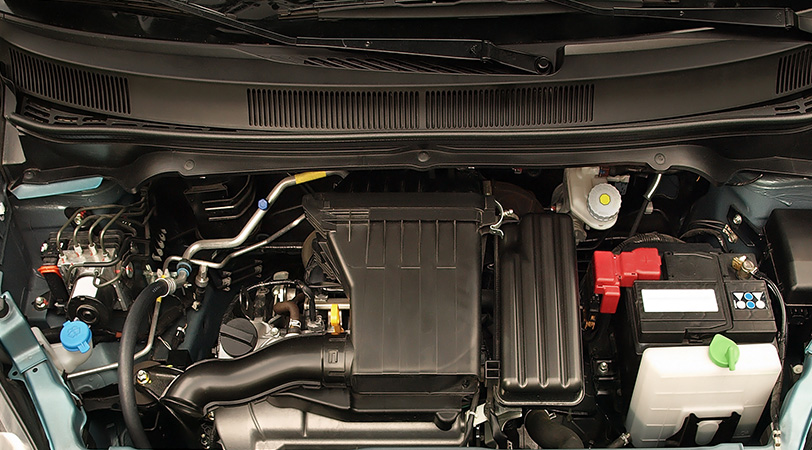
- Under the Hood: Heat-resistant plastics are used for engine covers, oil pans, and electrical connectors.
The push for electric vehicles is further accelerating the demand for lightweight plastic components. As automakers continue to extend battery range, every ounce saved contributes to better performance.
Aerospace
Similar to the automotive industry, the aerospace sector utilizes plastic injection molding to reduce weight without compromising safety. Aircraft interiors have numerous molded components that meet strict flammability and smoke toxicity standards. These include:

- Cabin Interiors: Tray tables, overhead bin latches, armrests, and window shades are made from specialized flame-retardant plastics.
- Housings and Bezels: Lightweight housings protect sensitive electronic equipment and lighting systems.
- Structural Brackets: High-performance polymers can replace metal brackets to secure wiring and cabling throughout the fuselage.
The aerospace plastics market is expanding as airlines modernize fleets. The ability to mold complex shapes reduces the need for assembly and fasteners, which further streamlines aircraft construction.
Home and Outdoors
Durability is the defining characteristic of products used in and around the home. Injection molding allows manufacturers and the appliances industry to use UV-stabilized materials that resist fading and cracking when exposed to the elements. Plastic molding is used in the following ways:
- Housewares: Storage bins, kitchen utensils, and laundry baskets utilize injection molding for cost-effective mass production.
- Appliances: Injection molding is used to manufacture parts for appliances like refrigerators, dishwashers, coffee makers, and vacuums.
- Outdoor Equipment: Lawn mower decks, garden tool handles, and patio furniture components are molded to withstand rough use and weather exposure.
- Recreational Gear: Coolers and sporting goods rely on impact-resistant plastics to perform reliably in outdoor environments.
Building and Construction
The construction industry values materials that offer longevity and resistance to corrosion. Injection-molded parts provide a reliable alternative to metal and wood in many applications, including:
- Fittings and Fixtures: Plumbing elbows, pipe couplings, and electrical switch plates are standard molded components.
- Fasteners and Anchors: Plastic wall anchors and deck fasteners offer strong holding power without the risk of rust.
- Ventilation Components: Heating, ventilation, and air conditioning (HVAC) vents and ducting adapters are molded for optimal airflow and easy installation.
Choosing the Right Plastic Injection Molding Partner
The manufacturing partner you choose affects your supply chain and product quality. Evaluate providers based on value throughout the production life cycle, not just price per part. It is essential to select a partner with experience in your specific industry.
For example, pharmaceutical companies should ensure that partners have certified clean room facilities. Confirm that the molder is ISO-certified and meets the quality standards of your industry.
Lastly, a partner that provides turnkey solutions, managing everything from mold design to packaging, will be able to scale with your business. If they have global facilities, they can help lower shipping costs and supply chain risks for multinational brands.
Partner With The Plastek Group
For over 65 years, The Plastek Group has been a trusted leader in the plastics industry. We are more than a manufacturer. We are a strategic partner dedicated to bringing your vision to life.
Our global footprint allows us to serve clients across North America, South America, and the UK with the same level of excellence. We combine decades of experience with cutting-edge technology to deliver superior solutions across various industries.
Request a quote today to discover how we can help you achieve your manufacturing goals. You can also contact us directly to speak with one of our experts about your specific requirements. Discover the difference a world-class molding partner can make for your business.