


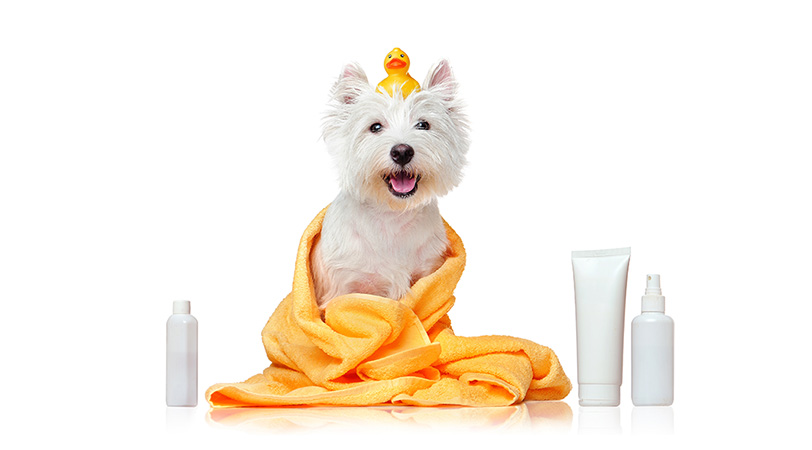
Pets are a central part of many families — in the United States alone, 66% of households have a pet. That’s a huge market slice, and packaging plays a significant role in the goods consumers choose.
Packaging protects items and connects customers to a brand. The container your business chooses for pet products communicates your quality. If consumers don’t like what they see on the shelf, they’ll look to the competition.
This guide covers different types of pet care packaging and how to select the best options for your products and customers.
Meeting Pet Care Plastic Packaging Demand
The pet care industry covers everything pet-related. Nutrition, grooming, entertainment, hygiene, and health are all categories that cater to our domestic companions. With so many animal-related goods in demand, the U.S. pet care industry is expected to hit $200 billion in sales by 2030.
This level of product diversity comes with varied packaging requirements. For example, dry treat containers must preserve freshness and block moisture. Shampoos and cleaning sprays should be easy to hold and use. Ultimately, you need containers that make consumers’ lives easier while delivering high-quality goods.
Consumers consistently prioritize product quality, price, and convenience when they shop — item containers directly affect your products’ quality and price. You need packaging solutions that reduce costs and maintain quality to attract pet owners consistently.
Types of Pet Care Packaging
Packaging type plays an essential role in meeting pet owners’ expectations. Rigid plastic containers are durable and customizable. They easily work with a range of product types and freshness demands.
If you want a convenient, reliable, and affordable solution for your items, you can use plastic for these different containers:
- Jars and Canisters: Plastic jars and canisters hold dry consumables like treats, supplements, and powders. Twist-on lids and double-walled containers offer excellent moisture protection and durability. You can maintain merchandise freshness and customize mouth and container size to the product.
- Pails: Pails and buckets are designed for holding larger, heavy pet products. Products like clay cat litter need durable containers and convenient lids to make using and transporting them easier. Customize their shape, volume, thickness, and color to your brand and product needs.
- Bottles: Plastic bottles are another versatile, durable option. Use them to store medication, hygiene goods, and cleaning items. Tailor the lid top for spraying, dispensing, or holding to improve convenience.
- Tubes: These are less common, but businesses can use them to dispense pharmaceuticals like creams or gel items for hygiene.
Protecting Pets With Quality Packaging
Your consumers’ pets are part of their families. They want containers that will keep products safe for their animals and home. Investing in higher-quality packaging helps you meet regulatory standards and protect a range of merchandise. Look for these quality indicators with your plastic packaging:
- Material Testing: Is the producer testing resin batches for melt flow, tensile strength, and density? Testing every batch ensures consistent performance.
- Manufacturing Standards: Find partners who follow ISO 9001 standards and good manufacturing practices for better hygiene, traceability, and safety.
- Environmental Controls: Companies should use clean room or white room environments to reduce contamination for sensitive or ingestible items.
- Inspection Tools: Are your container providers using tools like coordinate measurement machines, moisture analyzers, and impact testing to confirm part quality?
Better-quality plastic containers promote greater product safety, longer shelf life, and compliance. When consumers see you sourcing plastic packaging from reputable operations, you can build trust with them.
Finding the Best Pet Product Packaging for Your Business
Pet owners care about their animals’ well-being. When they shop for goods, they look for items that reflect these values. Packaging is one way consumers decide on quality and function. If your containers are damaged, unsuitable for the product, or mismatched with demand, they won’t sell.
The right containers go beyond protecting what’s inside. You need to solve real problems for pet owners, strengthen your brand, and meet business goals. Rigid plastic packaging offers the strength and flexibility to help. Make sure you’re considering the problems you want containers to solve to outcompete others in the industry.
1. Function
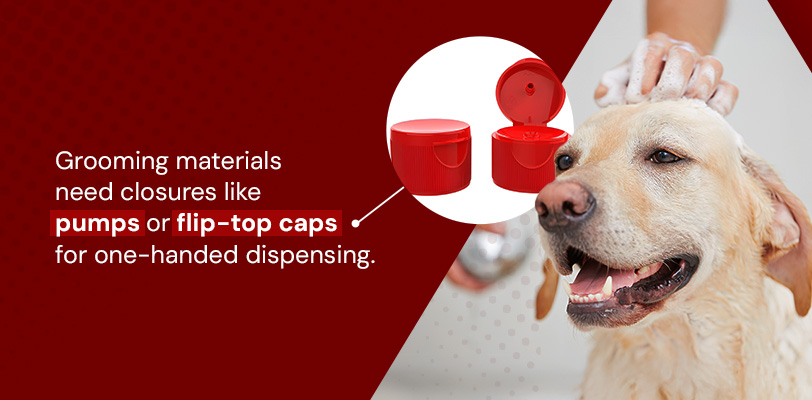
Pet owners want products that make caring for their furry friends easier. You might have a superior pet shampoo, but if it’s hard to open or it’s often damaged in transit, you’ll lose money to competitors. Grooming materials need closures like pumps or flip-top caps for one-handed dispensing. This design makes it easy to deal with wriggly pets.
If you’re selling bulk products, their packaging needs to be secure, strong, and high-capacity. Pails might need secure snap-on lids, integrated handles, and extra durable material. These features protect household cleanliness and improve the user experience. If enclosures perform well, consumers get a better experience.
2. Sale Method
Sale method also affects your plastic packaging. Are you selling items in-store, online, or through subscriptions? The consumer can change with the retail format.
- In-Store: Shelf presence is critical. Containers must hold their shape on shelves and stack easily. Designs need to draw in customers as they browse store aisles.
- Online: Online orders ship far and fast to get to buyers. They need effective impact and leak resistance. Plus, products must avoid overboxing or fillers to reduce shipping weight.
- Subscription: Repeat subscription consumers like convenience and consistency with unboxing. Investing in resealable closures, ergonomic design, and durable materials standardizes the process.
3. Branding
Retail store aisles and online marketplaces are stacked to the ceiling with competing items. Consumers can’t devote hours to reading every single product description and review. Plastic packaging is perfect for creating a memorable presence on the shelf.
Businesses can request custom shapes, embossed logos, and color-matched components for their plastic containers. Matte finishes can represent a sleeker, more premium product, while bold colors attract eyes and make your items look fun. Rigid plastic allows you to coordinate packaging across merchandise for a more cohesive brand.
4. Sustainability
While sustainability isn’t one of the major selling points for consumers, there’s a market for greener products. If you’re looking to appeal to environmentally focused customers, you can still use plastic for pet goods. Look for mono-material packaging for easier recyclability and post-consumer resin to reduce virgin plastic use.
Partnering with an experienced team for your packaging needs gives you access to custom designs. Teams can use techniques like lightweighting to reduce material volume while maintaining performance. This delivers durability and gives you points in the sustainability market.
Packaging Built for the Pet Care Market
If you’re looking for customizable and durable plastic packaging for pet care, turn to The Plastek Group. We offer high-quality plastic packaging solutions tailored for today’s pet market and your unique needs. With in-house product development, advanced quality testing, and global manufacturing capabilities, we help you meet changing consumer expectations. Our team is here to help you through new launches, product line scaling, and design tweaks.
Connect with us for a quote and see how our expertise can bring your pet care packaging vision to life!