


Sustainability has become a defining factor in the pet food industry, with packaging at the center of the conversation. With millions of pet owners willing to pay a premium for packaging that reflects their values, businesses are increasingly turning to more sustainable options to meet environmental and consumer expectations. Mounting regulatory pressure and the environmental cost of traditional materials are accelerating the transition to more responsible solutions.
This article explores the latest sustainable pet food packaging options, from recyclable plastics to bio-based alternatives. By understanding these solutions, businesses can adopt packaging strategies that reduce environmental impact, strengthen consumer loyalty, and position their brand for long-term growth.
The Importance of Sustainably Packaging Pet Food for Modern Brands
Transitioning to sustainable packaging for pet food has become a strategic decision that may impact every part of a brand’s value chain. Here’s why:
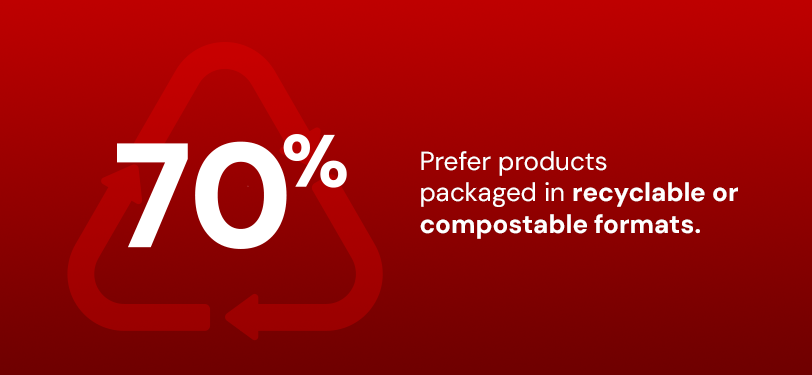
- Consumer expectations: Today’s pet owners are more eco-conscious than ever. Studies show pet owners are increasingly willing to pay more for eco-friendly options. In some markets, almost 70% prefer products packaged in recyclable or compostable formats.
- Regulatory trends: Global packaging laws are evolving. Policies such as the European Union (EU) Packaging and Packaging Waste Regulation (PPWR), U.S. Food and Drug Administration (FDA) requirements, International Organization for Standardization (ISO) 14001 standards, and British Red Cross Society (BRCGS) standards are shaping stricter guidelines for recyclability, safety, and environmental reporting. Staying compliant protects business continuity and expands market access.
- Environmental impact: The pet food industry generates over 300 million pounds of plastic waste annually in the U.S. alone, and 91% of this waste ends up in disposal areas, oceans or nature, so sustainable alternatives are essential.
- Brand reputation and loyalty: Brands that prioritize sustainability can build trust, attract new customers, and forge deeper connections with environmentally conscious consumers.
- Long-term business growth: Proactively adopting sustainable solutions helps brands adapt to evolving regulations and consumer preferences, safeguarding long-term competitiveness.
- Differentiation in a competitive market: Sustainable packaging helps brands stand out in crowded retail environments and digital marketplaces.
Sustainable Materials for Pet Food Packaging
Pet food manufacturers have an expanding set of material choices that balance safety, performance, and sustainability. Each option contributes differently to reducing environmental impact, and many brands are now adopting hybrid strategies to meet functional needs while advancing circularity goals.
Selecting the right option depends on performance needs, cost targets, environmental objectives, consumer preferences, and distribution models.
Below are several material categories shaping the market:
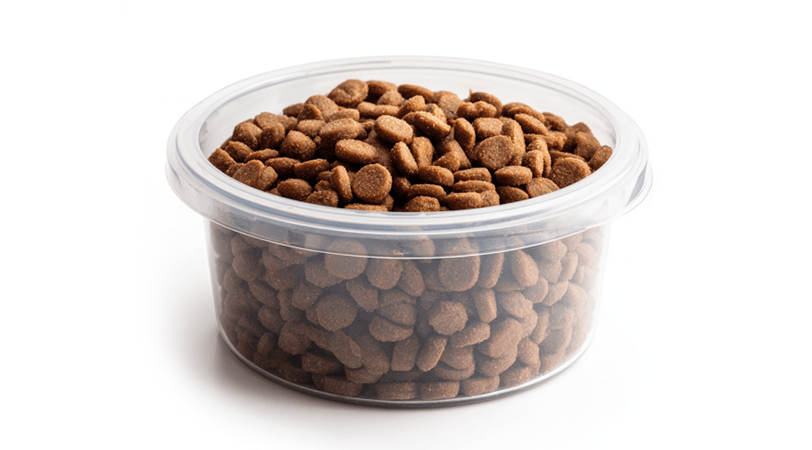
- Recyclable plastics: Recyclable plastic materials such as high-density polyethylene (HDPE), polypropylene (PP), and polyethylene terephthalate (PET) are durable and popular options for packaging dry and wet pet foods. Additionally, incorporating post-consumer recycled (PCR) materials, such as recycled high-density polyethylene (rHDPE) and recycled polyethylene terephthalate (rPET), also helps reduce reliance on virgin plastic production. However, plastic recyclability depends heavily on available infrastructure, which remains inconsistent across regions.
- Bio-based plastics: Derived from renewable resources such as sugarcane, corn starch, and cellulose, these materials offer similar functionality to traditional polymers while contributing to a reduced carbon footprint. For example, sugarcane-derived plastics can capture CO₂ during growth, creating a measurable environmental benefit before packaging reaches production.
- Compostable materials: Compostable plastics such as polycaprolactone (PCL), polyhydroxyalkanoate (PHA), and polybutylene adipate terephthalate (PBAT) are gaining attention, particularly for fresh or single-serve products such as treats. These break down under controlled industrial composting conditions, but widespread adoption requires greater access to composting facilities and more explicit disposal instructions for consumers.
- Advanced barrier technologies: Oxygen and moisture barriers are essential for maintaining pet food safety and nutritional value. Emerging innovations in PE- and PP-based films can now be integrated into recyclable or compostable substrates, removing the need for multi-material laminates that traditionally made recycling impossible.
Innovations in Packaging Design for Sustainability
Sustainability in pet food packaging extends beyond material choice. Leading brands are embracing packaging design innovations to strengthen their sustainability profiles without sacrificing quality or consumer convenience.
Mono-Material Construction for Easier Recycling
Traditional multilayer packaging combines plastics, foils, and coatings that are difficult to separate during recycling. Mono-material construction solves this issue by using a single polymer type, such as polyethylene or polypropylene, throughout the package. Mono-material designs simplify the recycling process and increase the likelihood that local recycling facilities will accept the packaging.
Incorporating Upcycled and Recycled Content
As mechanical and chemical recycling methods advance, brands can incorporate higher percentages of PCR content into packaging while maintaining aesthetics and performance. Some manufacturers also experiment with upcycled materials, such as agricultural byproducts or plant-based fibers that reduce reliance on fossil-based inputs.
Sustainable Printing and Branding
Design choices also influence sustainability outcomes. Low-impact printing practices, including digital printing and the use of water-based or bio-based inks, have lower volatile organic compound emissions and improve recyclability.
Prioritize clear, accurate sustainability claims on packaging to build trust with consumers. For instance, having prominent disposal instructions, recyclability icons, and quick response (QR) codes linking to sustainability information helps guide consumers toward responsible disposal.
3 Steps to Transition Your Brand to Sustainable Packaging
Making pet food more sustainable through responsible packaging requires careful planning across multiple areas of your business. A deliberate and strategic approach helps maintain consistency, control costs, and build internal and external confidence in your sustainability journey.
1. Assessing Current Packaging and Setting Sustainability Goals
An effective transition starts with a baseline review of your packaging portfolio. Examine your brand’s material usage, production methods, distribution channels, and disposal pathways to identify areas with the most significant environmental impact. From there, establish measurable sustainability goals that balance environmental gains with operational feasibility.
These may include reducing virgin plastic by a set percentage, incorporating a specific level of recycled content across certain product lines, or phasing in bio-based alternatives. Aligning goals with external benchmarks such as ISO 14001 also provides credibility and measurable progress markers.
2. Partnering With Experienced Packaging Suppliers
Suppliers with expertise in sustainable pet food packaging can guide technical decisions and streamline compliance with evolving regulations. For example, they can recommend resin blends that:
- Maintain food safety.
- Validate barrier performance.
- Identify design strategies that simplify recycling.
- Provide guidance on regional regulatory requirements.
They can also support testing and validation to ensure that packaging maintains shelf stability and consumer convenience. Partnering early in the design phase reduces the risk of costly retrofits and ensures that packaging performance aligns with product safety standards and brand positioning.
3. Educating Your Team and Customers
Internal education on sustainability objectives ensures every department understands the business case for sustainable packaging and helps integrate goals across research and development, manufacturing, marketing, and supply chain operations. Educating consumers is equally important. Clear on-pack messaging about recyclability, compostability, or recycled content helps pet owners understand how their actions contribute to reducing environmental impact.
Elevate Your Brand With Sustainable Rigid Packaging Solutions
By investing in recyclable, bio-based, and circular designs, companies can meet evolving consumer expectations and demonstrate leadership in sustainability. The Plastek Group has decades of experience delivering custom rigid packaging for industries that demand the highest quality and innovation. With global manufacturing capabilities and a strong focus on sustainable development, Plastek helps pet food brands achieve their environmental, safety, and branding goals through tailored solutions.
Whether your goals involve producing eco-friendly dog food packaging or differentiating your product on the shelf, we can help you build a packaging strategy that delivers.
Request a quote today to learn more about how we can make pet food more sustainable through innovative, custom packaging.