



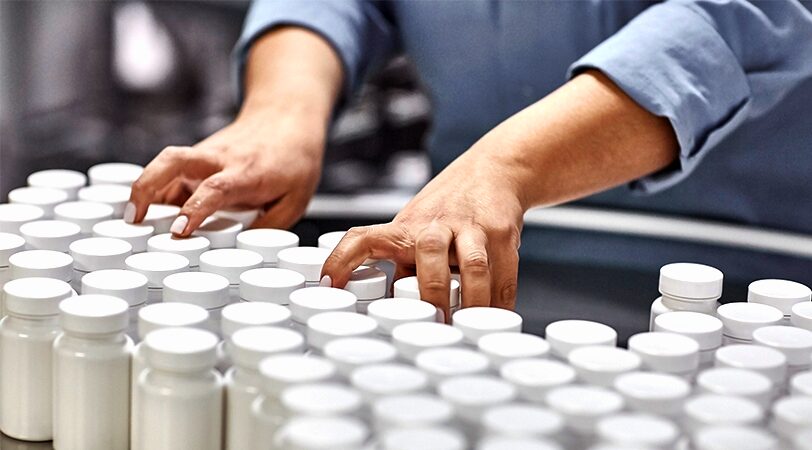
If you operate in the pharmaceutical industry, you understand the importance of safety to the end user. The healthcare industry relies on medications to maintain a healthy society. That means the journey of pharmaceutical products from manufacturers to consumers should follow strict safety and quality measures.
Considering the high risk of contamination and spoilage, the packaging of drugs must comply with regulatory standards to ensure patient protection. This guide highlights the safety considerations for pharmaceutical packaging.
Key Functions of Pharmaceutical Packaging
From physical container design to labeling, every aspect of pharmaceutical packaging provides crucial information that promotes quality and safety. The pharmaceutical packaging process serves several critical functions, making it indispensable. These include:
- Containment: For medicinal products, containment is the most important function of the packaging material. The design and quality of the material must be tailored to meet the needs of the product and the distribution system.
- Protection: The packaging must provide a secure environment that is protected from external influences that could compromise the product’s quality and potency.
What Are the Safety Requirements for Pharmaceutical Packaging?
Here is an overview of safety considerations when it comes to packaging drugs and pharmaceuticals, from sterility and container integrity to labeling:
Sterility and Barrier Integrity
It is vital that sterile products such as needles and blades remain in their original condition until the point of use. That means the packaging material has to provide an effective sterile barrier. This is why packaging material testing in the pharmaceutical industry is critical, as it ensures that they meet the required standards for quality assurance.
Pharmaceutical companies can ensure they meet the design needs for pharmaceutical packaging materials by partnering with reputable package design and production manufacturers.
Material Compatibility
A medicine packaging material can interact with the drug formulation. That is one of the serious risks associated with the industry. Careful testing is necessary to eliminate the potential of leachables, which are compounds that can migrate from the package into the drug and cause contamination.
Chemical inertness is another important aspect of compatibility with the product. The primary packaging material, which is in direct contact with the drug formulation, must not cause a chemical reaction. Ideal compatibility means that the drug’s purity, potency and stability remain unchanged.
Tamper-Evident and Anti-Counterfeit Technologies
Pharmaceutical brands must employ tamper-evidence practices to protect patients from intentionally altered and contaminated products. Indicators, like seals and tapes, are crucial in detecting access to the product. This preserves quality and ensures consumer safety.
The pharmaceutical industry must also combat counterfeit operations. Anti-counterfeit technologies are necessary for authenticating products and tracing their origin, which lowers the risk of counterfeit drugs entering the market. Technologies such as security printing and machine-readable identifiers help authenticate products and maintain safety.
Labeling
One of the main causes of medication incidents stems from label errors. Misleading, poorly designed or unclear labels can result in usage mistakes that may cause harm. Health care packaging materials can minimize label errors if they bear identifying information such as:
- The product’s name.
- A list of active ingredients, if applicable.
- Manufacturer-assigned batch number.
- Net content in weight, volume and dosage.
- A readable expiry date.
- Special precautions, such as storage or handling.
- Necessary directions for use and possible warnings.
- Details of the company or individual responsible for the product’s entry into the market.
Additionally, the packaging should use contrasting font sizes and designs to minimize confusion with lookalike and soundalike products already on the market.
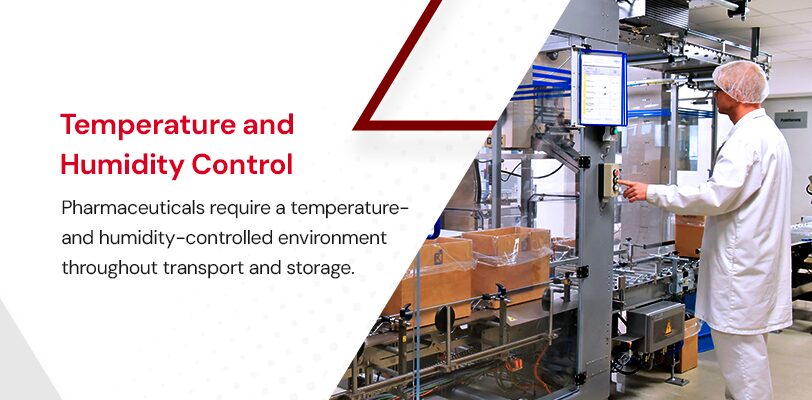
Temperature and Humidity Control
Pharmaceuticals require a temperature- and humidity-controlled environment throughout transport and storage. To help ensure ideal conditions that support stability, these products should have high-quality, insulated packaging that provides a strong barrier against external factors, such as temperature fluctuations and moisture.
For example, blister packs with aluminum foil or opaque plastic containers can protect light and temperature-sensitive medicines, preserving their potency.
Child-Resistant (CR) Packaging
A key aspect of public safety is ensuring that packaging is inaccessible to children, as well as clearly highlighting warnings to keep the product out of their reach. Child-resistant packaging eliminates the risk of accidental pediatric poisoning. One example of well-designed CR packaging is containers with push-down-and-turn caps. These are considered by law as special packaging and usually meet the following characteristics:
- Challenging for Children: CR packaging must undergo testing to ensure it is challenging for children to open but easy for adults.
- Secure Design: The packaging usually features a secure, multi-action mechanism, such as push-and-turn caps or complex seals.
- Durable: The packaging is typically durable and retains its child-resistant qualities over time, even after repeated use.
Regulatory Authority for Pharmaceutical Packaging
The World Health Organization (WHO) plays a critical role in providing recommendations for pharmaceutical packaging. The same goes for various global pharmacopoeias. However, specific regulations and standards vary across regions, countries and product classes, which leaves the final determination to local regulatory authorities.
For example, the U.S. Food and Drug Administration (FDA), under the U.S. Department of Health and Human Services, sets guidelines for various areas of pharmaceutical packaging. Under the agency’s Code of Federal Regulations, Chapter 1 of Title 21 outlines regulations for packing and other aspects of drug handling.
Types of Pharmaceutical Packaging
Pharmaceutical packaging types fall into three categories. The primary packaging, which is directly in contact with the product, is the most important as it preserves the quality, potency and safety. Here are some of the different types of pharmaceutical packaging this article addresses:
- Ampoules: These are small glass and plastic containers sealed by fusion. They usually hold liquid medicine and require breaking to open. Their contents are designed for single use.
- Vials: These containers are similar to ampoules but bigger. They can hold powder and liquid medicine and are available as both single and multi-use doses. Vials have a stopper and overseal.
- Blister Packs and Strips: These are common pharmaceutical packaging designs that hold solid medicine in individual doses. Blister packs have a plastic pocket that holds the medicine, while strips, typically made of aluminum foil, form around the medicine.
- Sachet/Bag: These are pouch-like containers made from various flexible materials, but mostly plastic. The top may have a fusion seal or zipper, depending on the intended use.
Contact The Plastek Group for High-Quality Pharmaceutical Packaging
Pharmaceutical packaging directly impacts patient health, product integrity and regulatory compliance. Ensuring safety begins with selecting the right material and working with a reputable manufacturing partner. If you’re considering plastic manufacturers for your pharmaceutical packaging, Plastek brings a wealth of experience and credentials to meet industry standards.
We produce packaging for various markets and understand what goes into developing solutions tailored to our clients’ demands. Request a quote or speak to an expert about your packaging needs.